Why NYC Buildings Are Switching from Oil to Gas
New York City has been pushing building owners to move away from heavy heating oils for years. Local Law 43 banned the use of #6 heating oil, and stricter emissions standards continue to make oil heating less practical and more expensive. For many property owners in Manhattan, Queens, Brooklyn, the Bronx, and beyond, converting from oil to natural gas is now the smart financial and environmental choice.
Here's what you need to know about the process, the costs, and what to expect.
Benefits of Converting from Oil to Gas
Lower Fuel Costs
Natural gas is consistently cheaper than heating oil in the NYC market. Most building owners see a 30% to 50% reduction in annual heating fuel costs after conversion. For larger buildings, this translates to thousands of dollars saved each year.
Less Maintenance
Oil-fired boilers require more frequent cleaning and maintenance than gas systems. Oil burners produce soot and residue that gas burners don't, meaning fewer service calls and longer equipment life after conversion.
No More Oil Deliveries
With gas, there's no need to schedule oil deliveries, monitor tank levels, or worry about running out during a cold snap. Natural gas arrives continuously through the utility connection.
Environmental Compliance
NYC's clean air regulations are getting stricter. Converting to gas keeps your building compliant and avoids potential fines. It also reduces your building's carbon footprint — natural gas produces roughly 27% less CO2 than #4 heating oil per unit of energy.
Increased Property Value
Buildings with modern gas heating systems are more attractive to buyers and tenants. An oil-to-gas conversion is a capital improvement that directly increases property value.
The Conversion Process: Step by Step
1. Assessment and Estimate
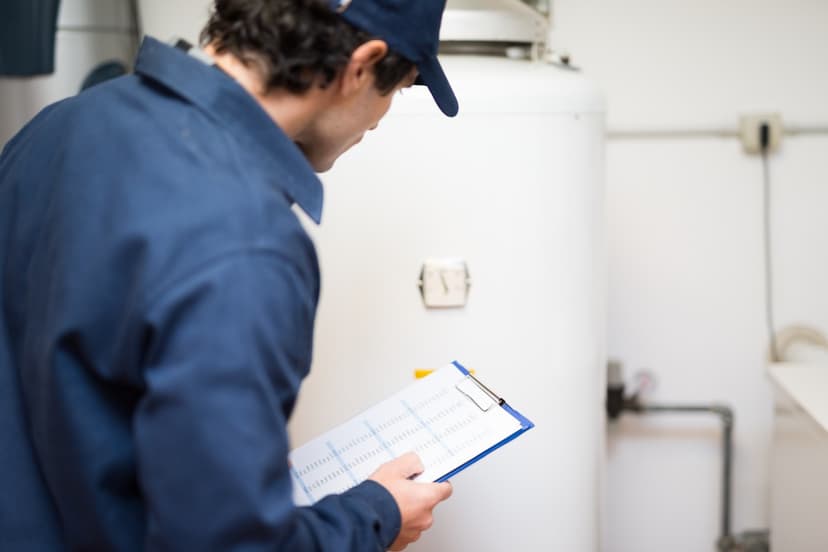
A licensed plumber inspects your current heating system, boiler condition, and gas line availability. You'll receive a detailed estimate covering equipment, labor, permits, and utility connection fees.
2. Utility Application
An application is filed with Con Edison (or National Grid, depending on your area) for a new gas service connection or an upgrade to your existing gas meter. This step can take 4 to 12 weeks depending on demand and infrastructure availability.
3. Permits
NYC Department of Buildings permits are required for gas line work and boiler modification. Your plumber files these on your behalf. Only a licensed master plumber can legally pull these permits in NYC.
4. Installation
The actual conversion involves:
- Installing new gas piping from the meter to the boiler room
- Replacing the oil burner with a gas burner (or replacing the entire boiler if it's at end of life)
- Modifying the flue/chimney if required
- Installing gas safety shutoff valves
- Testing all connections for leaks
For a typical residential building, installation takes 2 to 5 days. Larger commercial buildings may take longer.
5. Inspection and Sign-Off
The NYC DOB and the utility company both inspect the completed work. Once everything passes, your gas service is activated and the system goes live.
6. Oil Tank Removal
Your old oil tank needs to be properly drained, cleaned, and either removed or filled with sand/foam (for underground tanks). This is regulated work that must be done by a licensed environmental contractor.
How Much Does Oil to Gas Conversion Cost in NYC?
Costs vary significantly based on building size, existing infrastructure, and boiler condition:
| Building Type | Typical Cost Range |
|---|
| Single-family home | $5,000 – $15,000 |
| 2-4 family building | $8,000 – $20,000 |
| Small apartment building (5-20 units) | $15,000 – $50,000 |
| Large commercial/residential building | $30,000 – $100,000+ |
These ranges include the gas burner or boiler, gas piping, permits, utility fees, and labor. They don't include oil tank removal, which typically adds $1,000 to $5,000 depending on tank type and location.
Available Incentives and Rebates
Several programs can offset conversion costs:
- Con Edison rebates for high-efficiency gas equipment
- NYC Clean Heat Program assistance for buildings converting from #4 oil
- Federal tax credits for qualifying energy-efficient heating equipment
- Financing options to spread the cost over time
What About Local Law 152 Gas Inspections?
Once you convert to gas, your building will be subject to NYC Local Law 152, which requires periodic gas piping inspections by a licensed master plumber. This is a routine safety requirement — and something Karl's Plumbing handles regularly for buildings across the city.
Ready to Convert?
Karl's Plumbing has been handling oil-to-gas conversions across New York City for decades. As licensed master plumbers (License #921, #2060), we manage the entire process — from the initial assessment through utility coordination, installation, and final inspection.
Call us at (800) 721-3200 or (718) 263-8600 for a free estimate, or request service online.