If you have a basement in New York City, there is a good chance you have a sump pump. This unassuming device sits in a pit in your basement floor, quietly waiting to pump out groundwater and prevent flooding. It is one of those things you never think about until it fails, and when it does, the consequences can be devastating: a flooded basement, destroyed belongings, mold growth, and thousands of dollars in damage.
At Karl's Plumbing, Heating & Cooling, we have been protecting NYC homes and buildings from water damage since 1935. This guide covers everything you need to know about keeping your sump pump in reliable working condition.
What Does a Sump Pump Do?
A sump pump removes water that collects in a sump basin (also called a sump pit) in your basement or crawl space. As groundwater levels rise, particularly during heavy rain or snowmelt, water enters the pit through drains or by natural migration through the soil. When the water reaches a certain level, the sump pump activates automatically and pumps the water out through a discharge pipe, directing it away from your foundation.
In New York City, sump pumps are especially important in areas with high water tables, such as parts of Queens, Brooklyn, and Staten Island. Many homes near the waterfront or in flood-prone zones rely on sump pumps as their primary defense against basement flooding.
Why Sump Pump Maintenance Matters
Sump pumps are mechanical devices that sit in water. They are subject to corrosion, sediment buildup, float switch malfunctions, and motor burnout. The worst time to discover your sump pump is not working is during a major storm when you need it most. Regular maintenance ensures your pump will perform reliably when called upon.
Quarterly Maintenance Checklist
Perform these checks every three months:
- Test the pump. Pour a bucket of water into the sump pit until the float switch activates the pump. The pump should turn on, remove the water quickly, and then shut off automatically. If the pump does not activate, does not shut off, or pumps slowly, it needs attention.
- Check the float switch. Make sure the float moves freely and is not caught on the pump, the pit wall, or debris. A stuck float is the most common cause of sump pump failure.
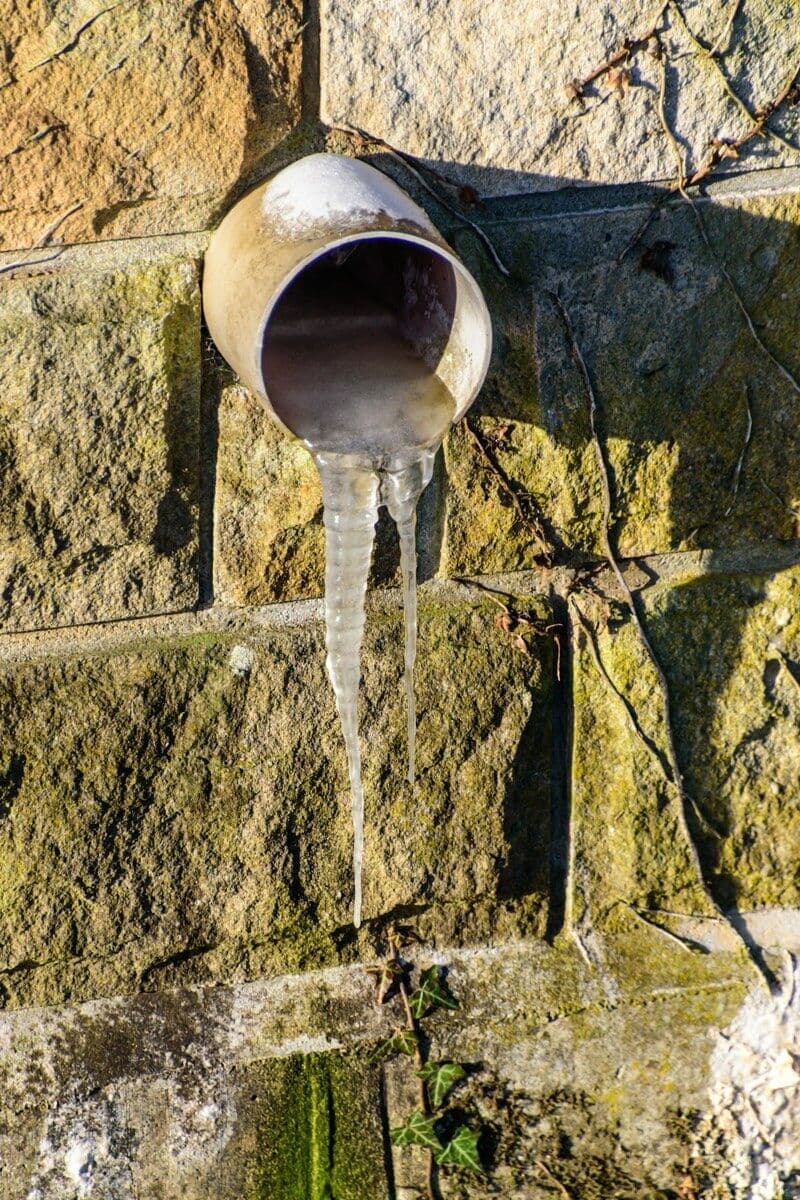
- Inspect the discharge pipe. Verify that the discharge pipe is not clogged, frozen, or disconnected. Water should flow freely out of the pipe and away from the foundation. In winter, check for ice blockages at the discharge point.
- Listen for unusual sounds. A healthy sump pump runs smoothly. Grinding, rattling, or excessive vibration can indicate worn bearings, a damaged impeller, or debris in the pump housing.
- Check the power source. Make sure the pump is plugged into a working GFCI outlet and that the outlet has not tripped. Sump pumps should always be on a dedicated circuit.
Annual Maintenance Checklist
Once a year, perform these additional maintenance tasks:
- Clean the sump pit. Remove the pump and clean out any sediment, gravel, or debris that has accumulated in the pit. This material can clog the pump intake and reduce performance.
- Inspect the check valve. The check valve on the discharge pipe prevents water from flowing back into the pit when the pump shuts off. Make sure it is functioning properly and oriented in the correct direction.
- Clean the pump intake screen. Remove any debris from the intake screen or inlet openings. A clogged intake forces the pump to work harder and can cause overheating.
- Test the battery backup. If you have a battery backup sump pump, test it by unplugging the primary pump and pouring water into the pit. The backup should activate and pump the water out. Check the battery charge level and replace the battery every 2 to 3 years.
- Inspect the pit cover. A sealed pit cover prevents debris from falling in and reduces moisture and odors in the basement. Make sure the cover is in place and in good condition.
Signs Your Sump Pump Is Failing
Watch for these warning signs that your sump pump needs repair or replacement:
- The pump runs constantly. If the pump runs all the time, even during dry weather, it may be undersized for the water volume, the float switch may be stuck, or there may be a check valve failure allowing water to flow back into the pit.
- The pump makes strange noises. Grinding, thunking, or rattling sounds indicate mechanical problems that will only get worse.
- The pump vibrates excessively. This often means the impeller is damaged or bent, usually from sucking in debris.
- Visible rust or corrosion. Corrosion weakens the pump housing and internal components, leading to failure.
- The pump is more than 7 to 10 years old. Most sump pumps have a lifespan of 7 to 10 years with proper maintenance. If yours is in that range, plan for replacement before it fails.
- Frequent cycling. Rapidly turning on and off can indicate a float switch problem or an undersized pump.
The Importance of Battery Backup
Power outages and heavy storms tend to happen at the same time, which is exactly when you need your sump pump the most. A battery backup sump pump is an essential safeguard for any NYC homeowner. It provides pumping capability during power outages, typically for 5 to 12 hours depending on the battery size and water volume.
There are also water-powered backup sump pumps that use your home's water pressure to create suction and pump water out of the pit. These never run out of power but do use water and require adequate municipal water pressure to operate.
NYC Basement Flooding Concerns
New York City's aging sewer infrastructure, combined with increasingly intense rainstorms driven by climate change, has made basement flooding more common. Several factors make NYC basements particularly vulnerable:
- Combined sewer system. Most of NYC uses a combined sewer system that handles both stormwater and sanitary sewage. During heavy rain, the system can become overwhelmed, causing sewage backups into basements.
- High water tables. Coastal areas and low-lying neighborhoods have water tables that can rise rapidly after rain, pushing groundwater into basements through cracks in the foundation.
- Aging infrastructure. Many NYC homes have old drain tiles, deteriorating foundation walls, and inadequate waterproofing that allow water intrusion.
A properly maintained sump pump with battery backup is your best defense against these threats.
When to Repair vs. Replace Your Sump Pump
Repair when:
- The float switch needs adjustment or replacement.
- The check valve has failed.
- The discharge pipe is clogged or damaged.
- The pump is less than 5 years old and the motor is still running well.
Replace when:
- The motor has burned out.
- The pump is more than 7 to 10 years old.
- The impeller is damaged.
- The pump housing is corroded.
- The pump cannot keep up with the water volume.
When to Call a Licensed Master Plumber
While basic sump pump maintenance can be done yourself, call a professional when:
- Your sump pump has failed and your basement is flooding.
- You need a new sump pump installed, including a sump pit, discharge piping, and electrical connection.
- You want to add a battery backup system.
- Your sump pump runs constantly and you cannot identify the cause.
- You need to install a French drain or interior drainage system to direct water to the sump pit.
- You are experiencing recurring basement water intrusion and need a comprehensive waterproofing solution.
Karl's Plumbing, Heating & Cooling has been protecting NYC basements for four generations. Our Licensed Master Plumbers (LMP #921 and LMP #2060) handle sump pump installation, repair, and maintenance across all five boroughs, Long Island, and Westchester. We also provide 24/7 emergency service for basement flooding and residential plumbing emergencies.
Call us at (800) 721-3200 or (718) 263-8600 to schedule a sump pump inspection or service call.