Understanding the Two Types of Water Heaters
When your water heater needs replacing, you'll face a decision that most NYC homeowners wrestle with: go with a traditional tank unit or upgrade to a tankless water heater? Both have real advantages and trade-offs, especially in New York City apartments and homes where space, building codes, and usage patterns all play a role.
How Traditional Tank Water Heaters Work
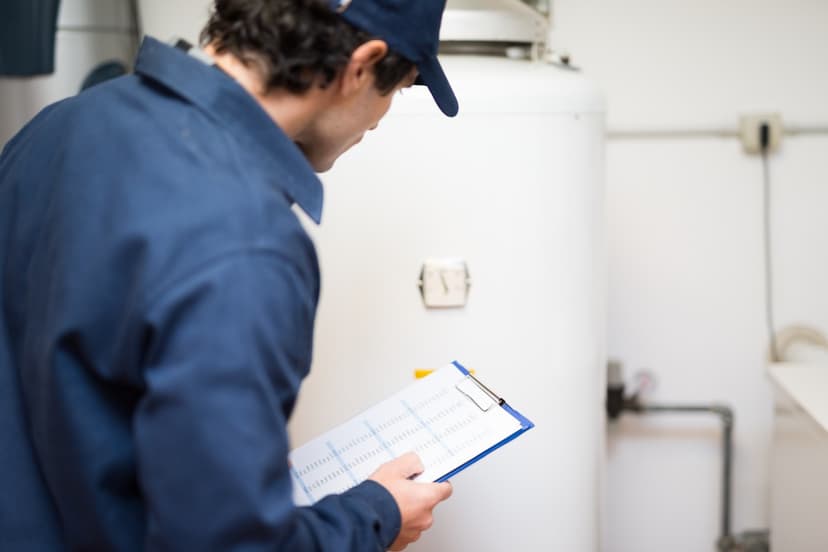
A traditional water heater stores 30 to 80 gallons of hot water in an insulated tank, keeping it heated and ready to use. When you open a hot water tap, pre-heated water flows from the tank and cold water enters to be heated for next time.
Pros:
- Lower upfront cost ($800 – $2,000 for the unit)
- Simple installation, especially as a direct replacement
- Works with any gas or electric setup
- Reliable technology with decades of proven performance
- Can supply multiple fixtures simultaneously without flow rate concerns
Cons:
- Takes up significant floor space (important in NYC apartments)
- Standby energy loss — the tank keeps heating water even when you're not using it
- Shorter lifespan: typically 8 to 12 years
- Can run out of hot water during heavy usage
- Risk of tank failure and flooding
How Tankless Water Heaters Work
A tankless (on-demand) water heater heats water directly as it flows through the unit — there's no storage tank. When you open a hot faucet, cold water travels through a pipe into the unit where a gas burner or electric element heats it instantly.
Pros:
- Compact wall-mounted design saves valuable floor space
- Unlimited hot water — it never runs out since it heats on demand
- 20 to 30% more energy efficient than tank heaters (no standby loss)
- Longer lifespan: typically 15 to 20+ years
- Lower risk of water damage (no 40-80 gallon tank to fail)
Cons:
- Higher upfront cost ($1,500 – $4,500 for the unit)
- Installation is more complex and expensive, especially retrofitting
- May require a gas line upgrade or larger electrical circuit
- Flow rate limitations — very high simultaneous demand can exceed capacity
- Requires annual flushing to prevent mineral buildup (NYC has hard water)
Cost Comparison for NYC
| Traditional Tank | Tankless |
|---|
| Unit cost | $800 – $2,000 | $1,500 – $4,500 |
| Installation cost | $500 – $1,500 | $1,500 – $3,500 |
| Total installed | $1,300 – $3,500 | $3,000 – $8,000 |
| Annual energy cost | $350 – $600 | $200 – $400 |
| Lifespan | 8 – 12 years | 15 – 20+ years |
While tankless costs more upfront, the lower energy bills and longer lifespan often make it cheaper over the unit's lifetime — especially for households with moderate to high hot water usage.
NYC-Specific Considerations
Space Constraints
This is where tankless really shines for NYC homes. A tankless unit mounts on a wall and is roughly the size of a small suitcase. In a cramped Manhattan apartment or a Queens row house with a tiny utility closet, reclaiming that floor space matters.
Building Regulations
Gas tankless water heaters require proper venting to the exterior, which can be challenging in some NYC apartment buildings. Your building's management company or co-op board may need to approve the installation. Electric tankless units avoid the venting issue but may require an electrical panel upgrade.
NYC Water Hardness
New York City water is relatively soft compared to many US cities, which is actually an advantage for tankless units. Still, annual descaling is recommended to maintain efficiency and manufacturer warranty coverage.
Multi-Family Buildings
For landlords and building owners, individual tankless units in each apartment can eliminate the central boiler for domestic hot water. This shifts energy costs to tenants and reduces maintenance. However, the upfront investment is substantial for larger buildings.
Which Should You Choose?
Choose a traditional tank water heater if:
- You're on a tight budget and need a simple replacement
- Your current setup already accommodates a tank
- You have a large household with high simultaneous hot water demand
- Your building has venting or gas line limitations
Choose a tankless water heater if:
- Space is limited and you want to reclaim floor area
- You want to reduce monthly energy bills long-term
- Your household frequently runs out of hot water
- You plan to stay in the home for 10+ years (to recoup the investment)
- You want a longer-lasting unit with less flood risk
Need Help Deciding?
The right choice depends on your building, your budget, and how your household uses hot water. Karl's Plumbing installs and services both traditional and tankless water heaters across all five NYC boroughs. We can assess your space, evaluate your gas and electrical capacity, and recommend the best option for your situation.
Call us at (800) 721-3200 or (718) 263-8600, or request a free estimate online.